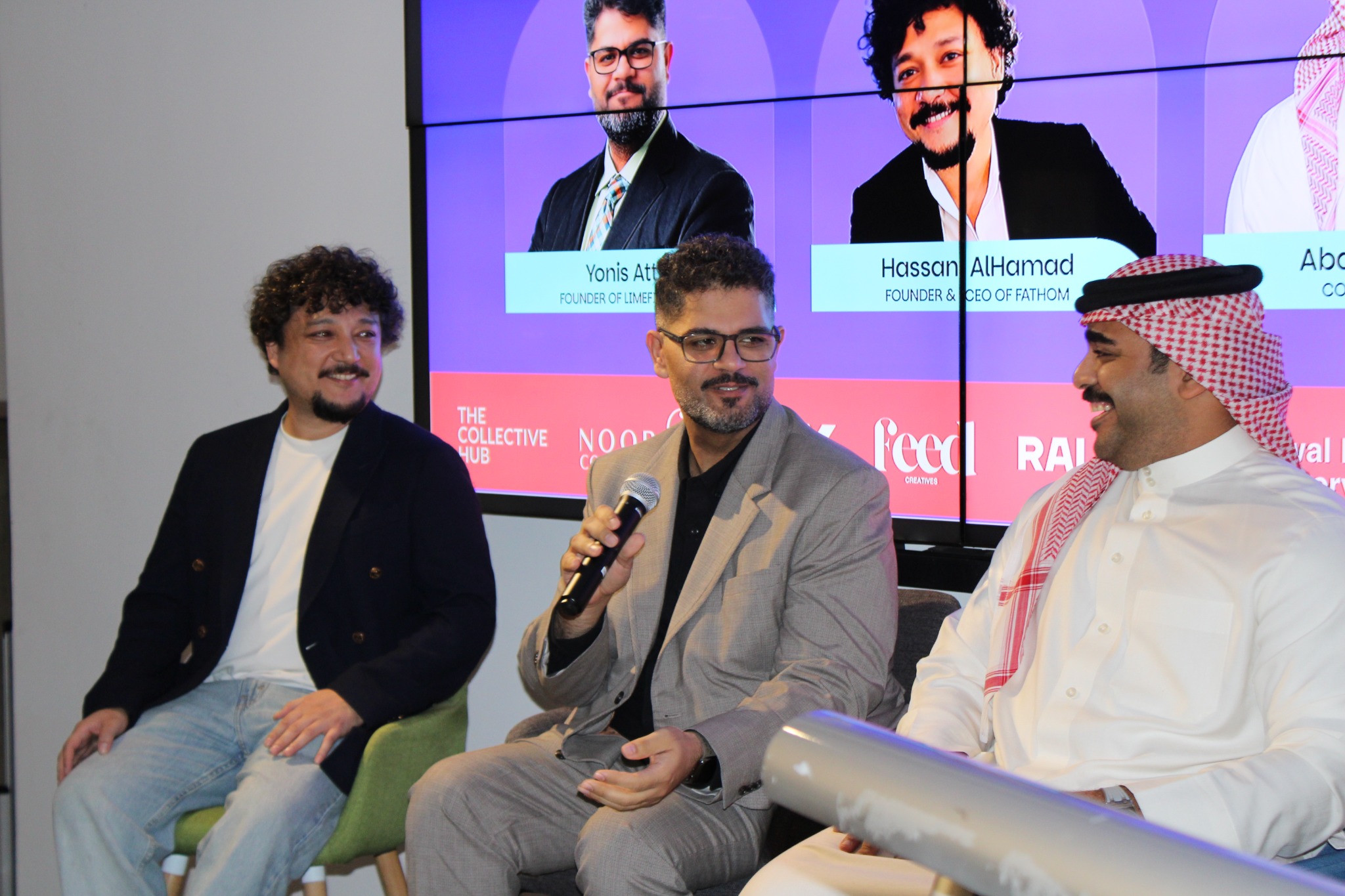
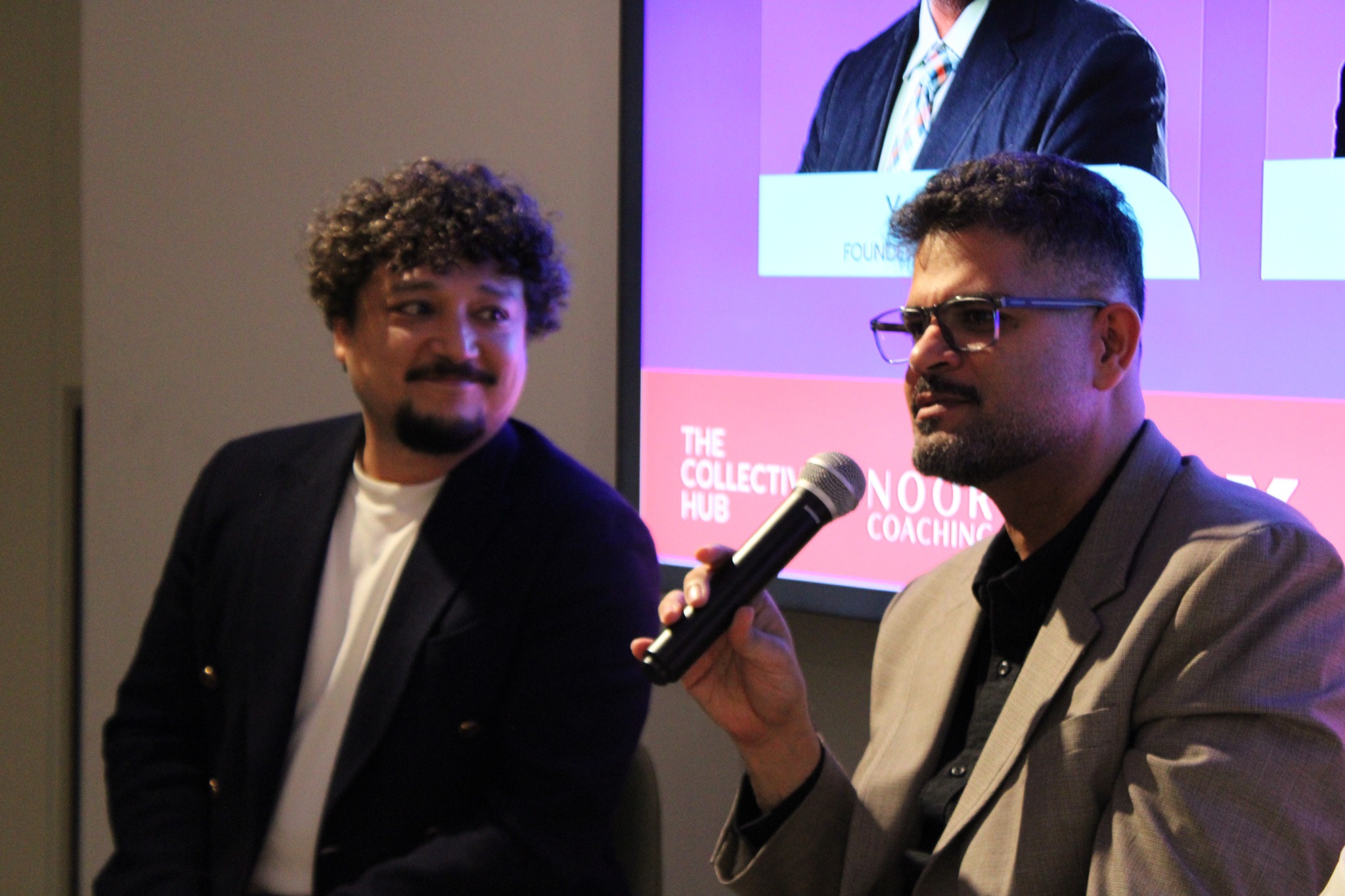
Limefish founder Yonis Attiya participated as a panel speaker at Entrepreneur Nights on 2026-10-14 at Collective Hub, Yateem Centre, Bahrain.
The session, Beyond the Feed: Building Brands That Connect and Grow, focused on the decisions founders face as they build a brand: where to begin, how to become recognisable, and how to keep the customer experience connected as the business grows.
Start with a shared direction
A visual identity needs a clear job to do. Before choosing its colours, typography or imagery, a business needs to understand who it serves, what makes its offer valuable and what it wants people to remember.
For Limefish, developing that direction is a collaborative process. The client brings knowledge of the business and its audience; the studio brings expertise in branding and design. Working together, they define the goals, positioning and personality that give creative decisions a purpose.
This also changes how the work is discussed. A proposed design can be assessed against the agreed strategy: does it communicate the right message, suit the audience and help the business move towards its goal? The conversation becomes more useful when everyone has a common basis for making those decisions.
For a founder working with a limited budget, that clarity helps decide what deserves attention first. A focused identity, a clear offer and a practical route to enquiring or buying can give the business a foundation to test and improve before committing to more.
Carry the idea into the experience
Recognition grows through repeated encounters with a brand’s character. Its language, content and behaviour all contribute, alongside its visual identity. The promise made in a social post needs to carry through when someone visits the website, asks a question or experiences the business in person.
That has practical consequences for design. A brand built around simplicity should make information easy to understand and the next step easy to find. A brand that depends on trust should make relevant evidence accessible. The underlying idea should guide how an experience works as well as how it looks.
The panel’s focus on word of mouth in Bahrain made that connection especially relevant. A recommendation creates an expectation. The business strengthens its reputation when the next customer’s experience matches what they were told.
Give evidence a useful role
Another question in the session’s programme concerned the tension between a founder’s instinct and what customers or data suggest.
Limefish’s approach starts by returning to the shared goal. The founder’s business knowledge and the studio’s design expertise both matter, and the evidence needs to be understood in context. Does it come from the intended audience? What does it actually reveal? Where uncertainty remains, a focused test can help the team make a better-informed choice.
The same discipline applies when there is more money to invest. First identify what is holding the business back, then agree on the improvement the work should produce. Clearer understanding, more relevant enquiries or repeat business may each matter, depending on the goal.
Keep the strategy useful as things change
The programme also considered AI and expansion into new markets. Both raise questions about how creative decisions are made. AI can help explore possibilities, while the brand strategy provides criteria for assessing them. Entering a new market calls for local insight, with language and imagery adapted carefully so the intended meaning carries across.
Yonis’s participation brought Limefish’s consulting and design perspective to these questions. The practical thread running through them is one the studio returns to in its work: develop a clear direction with the client, make it useful across the business, and keep checking whether the experience delivers on it.