Unbranding
When saying less says more. In a world full of logos, taglines, and marketing noise, some of the most impactful brands are choosing to step back, strip down, and speak quietly. The design strategy known as unbranding is about building recognition and trust without shouting for attention. Rather than relying on bold graphics or flashy visuals, unbranded design focuses on form, function, context, and restraint. It signals confidence. It trusts the audience. And it’s becoming more common than ever.
What is unbranding?
Unbranding is a deliberate design choice where a brand minimizes or removes traditional identifiers like logos, slogans, or decorative packaging. Instead, it uses neutral tones, simple typography, and cultural context to communicate meaning. It’s not bland; it’s intentional.
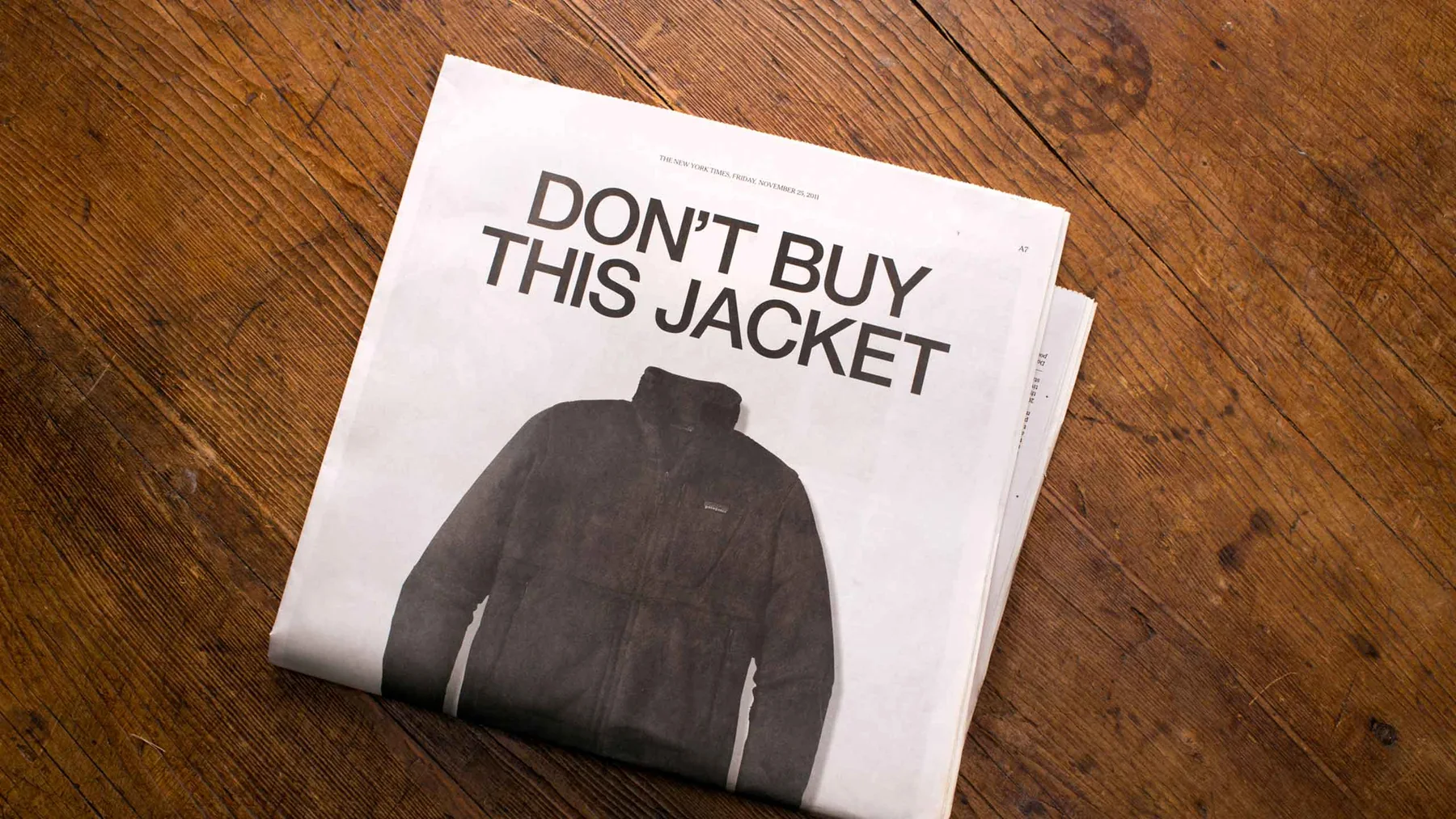
Case study 1: Patagonia, “Don’t Buy This Jacket”
In 2011, Patagonia told customers not to buy their jacket unless they truly needed it. It was a message about sustainability, not sales and the quiet confidence behind it made it more powerful than any flashy campaign. That honesty became the brand.
Case study 2: McDonald’s text-only campaign (UK)
This campaign removed the logo entirely. Just menu item names, centered in a simple font. That’s all it took. The message? “You already know us.” It’s minimalist, iconic, and unforgettable.

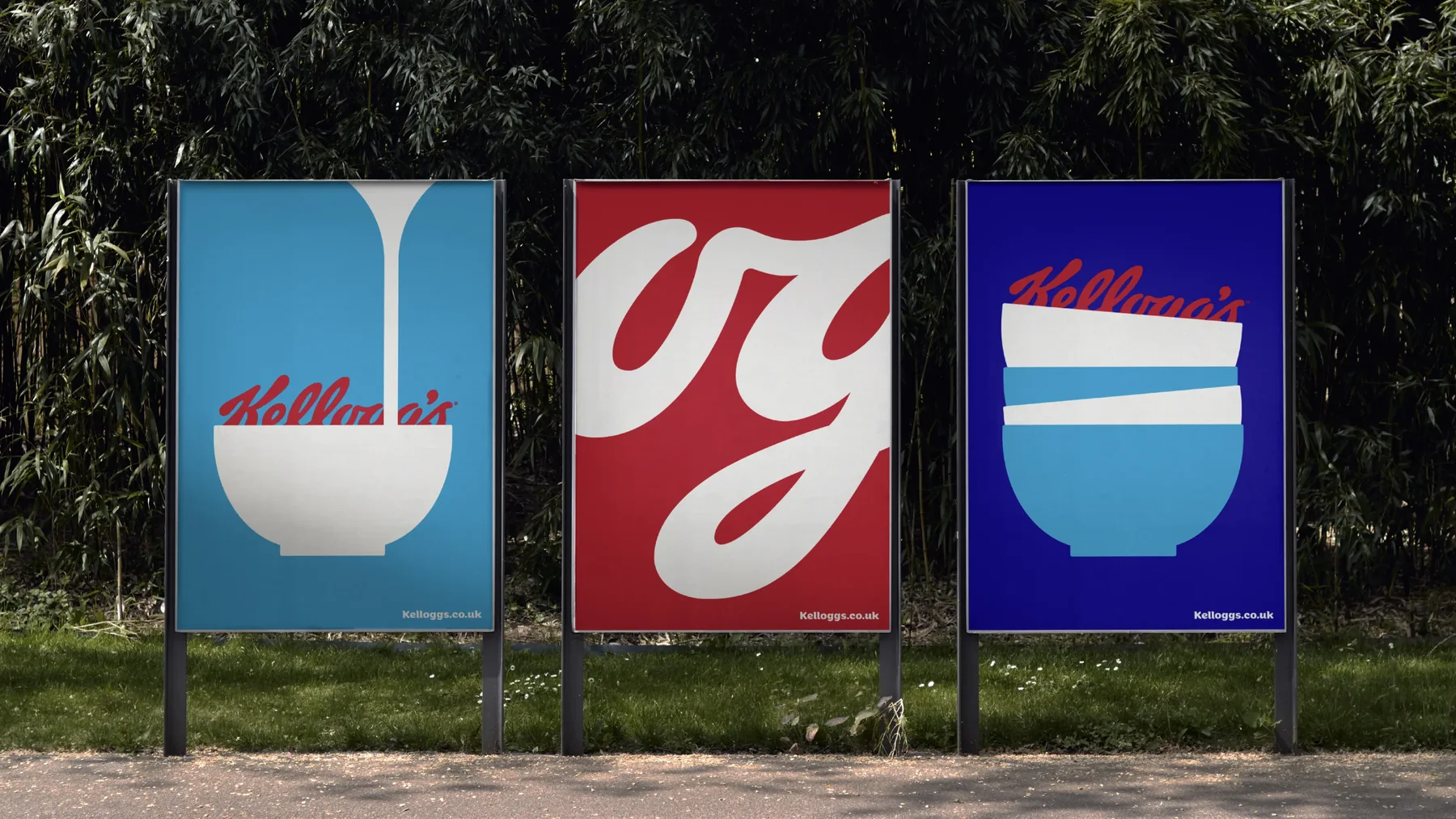
Case study 3: Kellogg’s “OG” Corn Flakes rebrand
Kellogg’s stripped their cereal box back to basics, tapping into heritage and design clarity. No mascots. No clutter. Just clean type, trust in simplicity and a nod to being original.
Why unbranding works today
- Consumers are overwhelmed and a quiet brand stands out.
- Trust is fragile and minimalism can feel more honest.
- Design speaks louder than logos, especially in digital environments.
- Culture creates meaning when brands rely on context, not campaigns.
Want to try it?
Pick a loud, over-branded product. Remove the logo. Strip down the palette. Rethink the tone. What’s left? That’s where the real identity lives.